Source Quick Dry Anti Pilling Two Piece Suit for Gym, Yoga, and Office
Source a quick dry anti pilling two piece suit from 30 verified listings. Compare polyester and nylon options in leisure and sports styles. Evaluate customization, packing, and origin details to find the right fit for your business needs; compare the available evidence and request quotations based on your requirements.
Key considerations
Products List


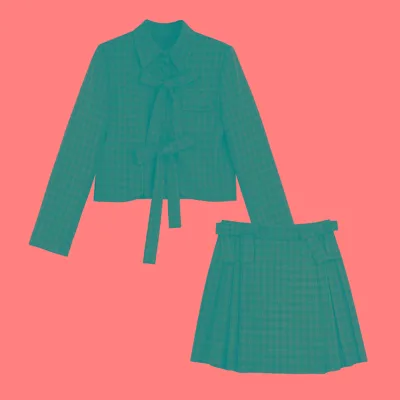


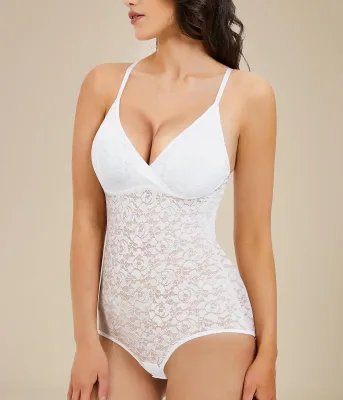


Comprehensive Sourcing Guide
Quick Dry Anti Pilling Two Piece Suit Sourcing Guide
Sourcing a quick dry anti pilling two piece suit requires a nuanced understanding of fabric engineering and supply chain transparency. Buyers must distinguish between marketing claims and verifiable material properties, particularly when evaluating polyester or nylon blends for performance wear. The observed market data indicates a wide variance in product specifications, ranging from leisure suits to specialized sports attire, which complicates direct comparison. Procurement teams should prioritize suppliers who provide detailed fabric composition reports rather than relying solely on product titles. This approach ensures that the "quick dry" and "anti pilling" attributes are backed by tangible textile science, such as moisture-wicking finishes or specific fiber deniers, rather than vague terminology.
Commercial terms also vary significantly across the observed listings, with minimum order quantities ranging from single pieces to thousands. This disparity suggests a fragmented supplier base, including both small-scale customizers and large-volume manufacturers. Buyers need to align their order volume with supplier capabilities to avoid premium pricing or production bottlenecks. Furthermore, the presence of customization options for colors, sizes, and accessories indicates a flexible market, but it also introduces complexity in quality control. Establishing clear communication channels regarding these variables early in the sourcing process is essential to prevent misunderstandings that could lead to defective shipments or delayed deliveries.
Product Scope and Observed Listing Signals
The current market landscape for two-piece suits is diverse, encompassing everything from office-appropriate leisure suits to high-performance athletic wear. Observed listings reveal products categorized under various types, including leisure suits, sports suits, and yoga suits, each targeting distinct user environments. For instance, some items are explicitly designed for office workplaces, featuring notch lapels and open-fronted structures, while others are tailored for ball sports, cycling, or gym activities. This broad scope means that buyers must carefully define their end-use requirements to filter out irrelevant listings. The presence of pure color patterns and customizable accessories further highlights the need for precise specification alignment before engaging with suppliers.
Material composition is a critical differentiator in this category, with polyester and nylon being the most commonly observed fabrics. These materials are often selected for their durability and ease of maintenance, which aligns with the "anti pilling" claim. However, the specific blend ratios, such as polyester with spandex or nylon with spandex, significantly impact the garment's stretch, breathability, and moisture management capabilities. Buyers should scrutinize the material descriptions to ensure they match the intended performance characteristics. Additionally, packaging methods vary from individual polybags to bulk cartons, which can affect logistics costs and product protection during transit, making it a key factor in the overall sourcing decision.
Technical Specifications to Verify
Verifying technical specifications is paramount to ensuring the product meets functional requirements, particularly regarding size inclusivity and structural integrity. The observed data shows a wide range of size standards, from S to 5XL, and specific size charts that include XS through XXXL. Buyers must confirm that the supplier's size chart aligns with their target demographic's measurements, as inconsistencies can lead to high return rates. Furthermore, the structure of the suit, whether one-piece or two-piece, and features like open fronts or specific collar styles, must be validated against design blueprints. These physical attributes directly influence the garment's fit, comfort, and aesthetic appeal, making precise verification essential before placing bulk orders.
Fabric weight and density are also critical technical parameters that influence the "quick dry" and "anti pilling" performance. While some listings mention specific weights like 0.2KG, others do not provide this data, leaving buyers to infer quality from material descriptions alone. It is advisable to request fabric swatches to test for moisture-wicking efficiency and resistance to pilling under friction. Additionally, the standard compliance, such as adherence to International, EU, or UK standards, should be explicitly confirmed. Buyers should also verify the production model numbers, such as SW2P010 or SM2P007, to ensure traceability and consistency across batches, which is crucial for maintaining brand integrity in subsequent orders.
Compliance and Safety Documentation
Compliance with international safety and quality standards is a non-negotiable aspect of sourcing apparel, especially for products marketed as performance wear. Buyers must ensure that suppliers can provide documentation verifying adherence to relevant regulations, such as REACH for chemical safety in the EU or CPSIA for children's products in the US, if applicable. Although specific certification statuses are not explicitly detailed in the observed listings, the mention of standards like International/EU/UK implies a baseline level of regulatory awareness. Procurement teams should request test reports for formaldehyde content, pH levels, and colorfastness to guarantee that the garments are safe for direct skin contact and durable under repeated washing.
Environmental and labor compliance is another critical area that requires verification. Buyers should inquire about the supplier's adherence to labor laws, including fair wages and safe working conditions, particularly given the origins in regions like Fujian and Guangzhou. While specific audit reports are not provided in the initial data, reputable suppliers should be willing to share their social compliance credentials upon request. Additionally, understanding the environmental impact of the materials, such as the use of recycled polyester or eco-friendly dyes, can be a valuable differentiator for brands targeting sustainability-conscious consumers. Ensuring that all documentation is up-to-date and verifiable helps mitigate legal risks and enhances brand reputation.
Cost Drivers and Commercial Terms
Understanding the cost drivers behind quick dry anti pilling two-piece suits is essential for effective budgeting and negotiation. The observed price range of 3.1 to 110 USD reflects significant variations in material quality, design complexity, and order volume. Factors such as the type of fabric, the intricacy of the pattern, and the level of customization directly impact the unit cost. Buyers should analyze these variables to determine the fair market value for their specific requirements. Additionally, the minimum order quantity (MOQ) plays a crucial role in pricing, with lower MOQs often commanding higher per-unit costs due to setup and production inefficiencies.
Commercial terms, including payment methods, shipping arrangements, and lead times, also influence the total cost of ownership. The observed MOQs range from 1 to 1000 pieces, indicating flexibility for both small and large buyers. However, buyers must clarify these terms explicitly to avoid hidden costs or delays. For instance, sample acceptance policies and customization fees can add to the initial investment. It is advisable to negotiate clear terms regarding quality disputes and return policies to protect against potential losses. By thoroughly understanding these commercial dynamics, buyers can make informed decisions that balance cost efficiency with product quality and supply chain reliability.
Supplier Qualification and Quality Control
Supplier qualification is a critical step in mitigating risks associated with sourcing apparel from diverse manufacturing hubs. Buyers should conduct thorough due diligence on potential suppliers, verifying their business licenses, production capacity, and past performance records. The observed origins in Fujian and Guangzhou suggest a concentration of manufacturing expertise, but it also necessitates careful selection to ensure consistent quality. Requesting references or case studies from previous clients can provide valuable insights into a supplier's reliability and professionalism. Additionally, assessing their communication responsiveness and willingness to accommodate custom requests can indicate their commitment to customer satisfaction.
Quality control measures must be rigorously enforced throughout the production process to ensure that the final products meet specified standards. Buyers should implement pre-production, during-production, and pre-shipment inspections to catch defects early and prevent costly rework. Establishing clear quality benchmarks, such as acceptable stitch density, fabric tension, and color consistency, is essential for effective monitoring. Furthermore, suppliers should be required to provide detailed inspection reports for each batch, allowing buyers to verify compliance before shipment. By maintaining strict quality control protocols, buyers can minimize the risk of receiving substandard goods and ensure that their brand reputation remains intact.
Long-Term Procurement Checks
Long-term procurement success depends on continuous monitoring and evaluation of supplier performance and market trends. Buyers should establish key performance indicators (KPIs) to track metrics such as on-time delivery rates, defect rates, and responsiveness to issues. Regular audits and feedback sessions with suppliers can help identify areas for improvement and foster a collaborative relationship. Additionally, staying informed about changes in material availability, regulatory requirements, and consumer preferences is crucial for adapting sourcing strategies. By proactively addressing potential challenges, buyers can maintain a resilient supply chain that supports their business growth.
Building a diversified supplier base is another key strategy for long-term procurement stability. Relying on a single supplier can expose buyers to risks such as production disruptions or price volatility. By cultivating relationships with multiple qualified suppliers, buyers can ensure continuity of supply and leverage competition to secure better terms. Furthermore, investing in technology and data analytics can enhance visibility into the supply chain, enabling more informed decision-making. Ultimately, a strategic approach to supplier management, combined with rigorous quality control and market awareness, will enable buyers to consistently source high-quality quick dry anti pilling two-piece suits that meet their evolving business needs.
FAQs
What materials are used for quick dry anti pilling two piece suits?
These suits typically utilize polyester or nylon blends with spandex for elasticity. The fabric is engineered to be quick-drying and resistant to pilling, ensuring durability during active use. Some options feature a pure color pattern with a notch lapel collar, suitable for both leisure and office environments while maintaining a professional suit style.
Can I customize the size and color of these suits?
Yes, customization is available for both size and color. Buyers can select from standard ranges like S to 5XL or request specific measurements. Colors can be customized to match brand requirements, with options including pure colors. This flexibility allows for tailored fits and specific aesthetic preferences for various business or sports applications.
What is the typical MOQ for ordering these suits?
The minimum order quantity varies by supplier but often starts at 100 pieces. Some vendors may accept lower MOQs for samples, while bulk orders typically require higher volumes. Buyers should verify specific MOQ requirements with manufacturers, as policies differ based on customization levels, material choices, and production capacity constraints for the quick dry anti pilling two piece suit.
How are these suits packaged for shipping?
Packaging options include individual polybags, OPP bags, or cartons containing multiple units. Common configurations are one piece per bag or ten pieces per carton. For container shipping, suits may be hung to prevent wrinkling. This ensures protection during transit and maintains the anti-wrinkle feature of the fabric, keeping the suit ready for immediate use upon arrival.
Where are these suits manufactured?
These suits are primarily manufactured in China, with key production hubs in Fujian and Guangzhou. These regions are known for their textile expertise and efficient supply chains. Buyers can source from factories in these locations to benefit from established manufacturing capabilities, ensuring quality control and timely delivery for global orders of quick dry anti pilling two piece suits.
What styles are available for these two piece suits?
Available styles include leisure suits and sports suits, often featuring an open fronted structure. Options range from office-appropriate designs with notch lapels to athletic wear for activities like yoga or gym workouts. The suits are designed as one-piece or two-piece sets, offering versatility for various workplace and recreational environments while maintaining a professional and functional appearance.